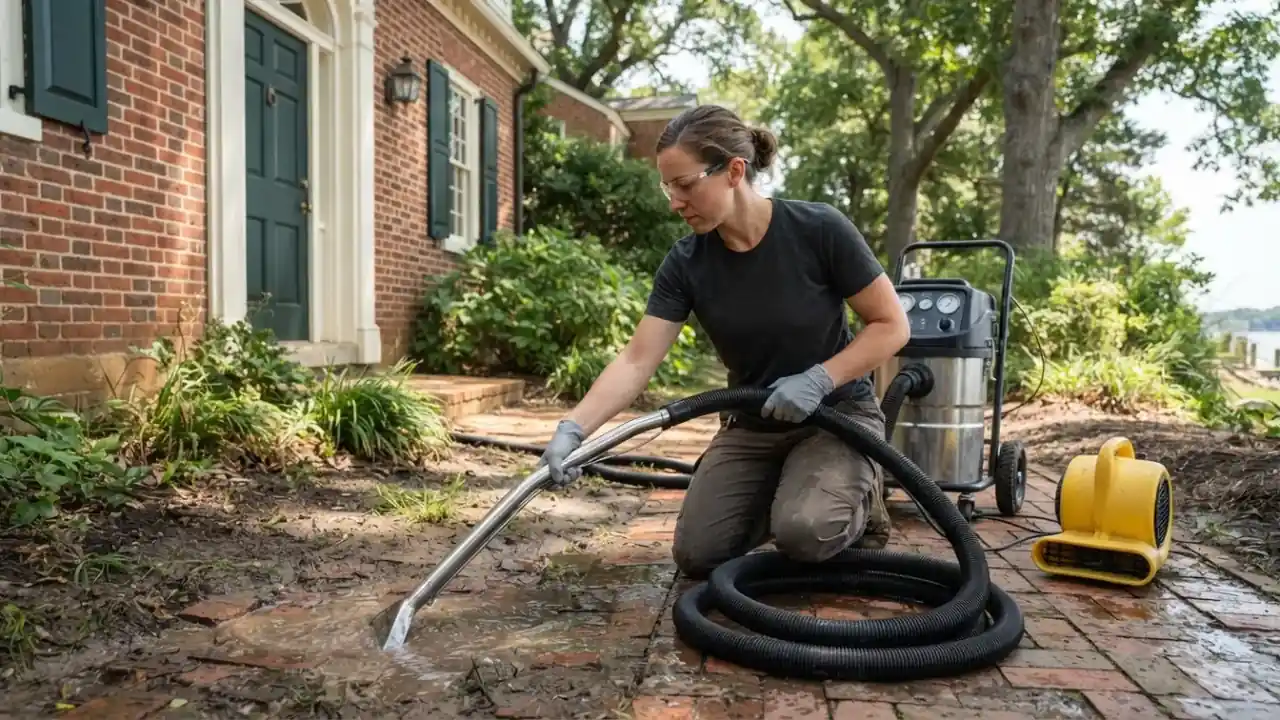
The Seasonal Structural Drying Checklist Annapolis Neck MD is a practical guide that ensures your building stays dry and mold-free throughout the year. It involves scheduled inspections, moisture monitoring, and equipment maintenance tailored to Annapolis Neck's climate and building types. This checklist helps property owners anticipate moisture risks and maintain optimal indoor humidity levels.
Below, you will find detailed steps for preparing your structure for drying season, maintaining dehumidification systems, and preventing costly water damage in Annapolis Neck. The guide also highlights common pitfalls and when to seek professional help from specialists like TrueArid.
What is a Seasonal Structural Drying Checklist Annapolis Neck MD?
A Seasonal Structural Drying Checklist Annapolis Neck MD is a systematic list of actions property managers and homeowners take to monitor, dry, and dehumidify buildings in response to seasonal moisture changes. It is essential after flooding events, heavy rains, or high humidity periods common to the Chesapeake Bay region.
This checklist includes inspecting structural elements for moisture intrusion, verifying drying equipment performance, and scheduling dehumidifier maintenance. It is typically implemented quarterly, with intensified focus during fall and spring when humidity fluctuates most.
Why is Seasonal Drying Important for Annapolis Neck Buildings?
Seasonal drying is critical in Annapolis Neck due to its humid subtropical climate, which averages 70% relative humidity in summer and 50-60% in winter. These conditions promote moisture buildup in walls, floors, and crawl spaces, increasing the risk of mold and structural damage.
Buildings near the water, especially in Annapolis Neck, face tidal flooding and storm surges that introduce water into basements and lower levels. Without seasonal drying, moisture can persist for weeks, degrading wood framing and drywall. Proper drying reduces repair costs by approximately 30% based on 2026 local restoration data.
Seasonal drying also improves indoor air quality and occupant comfort by controlling humidity levels between 30% and 50%, the ideal range to inhibit mold growth and dust mites.
How to Prepare Building for Drying Season Annapolis Neck MD
Preparation starts with a thorough inspection of the building envelope and interior moisture sources. In Annapolis Neck, this means checking for leaks in roofing, gutters, and foundation cracks before the wettest months, typically November through January.
Remove or elevate stored items in basements and crawl spaces to allow airflow. Clear debris from vents and install moisture barriers on exposed soil floors to reduce ground moisture transmission.
Test existing dehumidifiers and drying equipment to ensure they operate efficiently. Replace filters and schedule professional calibration if needed. This preparation phase can take 1-3 days depending on building size.
For buildings vulnerable to flooding, such as those near tidal zones in Annapolis Neck, establish an emergency plan including quick access to Annapolis emergency water removal service to minimize water exposure duration.
Dehumidification Seasonal Checklist Annapolis Neck: Key Steps
Dehumidification is the backbone of moisture control. The seasonal checklist for dehumidification in Annapolis Neck includes:
- Measuring ambient relative humidity weekly using calibrated hygrometers.
- Running dehumidifiers when indoor humidity rises above 50%, especially during fall and summer months.
- Inspecting dehumidifier coils and drainage systems monthly to prevent clogging and inefficiency.
- Replacing air filters every 90 days or sooner in dusty conditions.
- Monitoring drying progress with moisture meters on walls and flooring materials every two weeks during drying events.
On average, dehumidifiers in Annapolis Neck operate 8-12 hours daily during peak humidity seasons, consuming between 1.5 to 2.5 kWh per day depending on unit size.
Following these steps can reduce indoor moisture by 15-25% within the first month of seasonal drying.
Structural Drying Maintenance Tips Annapolis Neck MD
Maintaining structural drying equipment extends its lifespan and improves effectiveness. In Annapolis Neck, this involves:
- Regularly inspecting air movers and fans for dust buildup and mechanical wear every 30 days.
- Ensuring all drying equipment is positioned to maximize airflow around wet materials.
- Checking electrical connections and cords for safety compliance per Maryland code 2019 updates.
- Scheduling professional service for refrigerant-based dehumidifiers annually to maintain optimal performance.
- Documenting drying progress with photos and moisture readings to track effectiveness and adjust equipment placement.
These maintenance routines typically cost $150-$300 annually for residential buildings in the area, a worthwhile investment compared to repair costs from untreated moisture damage.
Common Mistakes in Seasonal Building Drying Checklist Annapolis Neck
Property owners in Annapolis Neck often overlook the following errors that compromise drying efforts:
- Ignoring hidden moisture behind walls or under flooring, which can persist unnoticed.
- Running dehumidifiers continuously without monitoring humidity levels, leading to unnecessary energy costs.
- Delaying equipment maintenance, causing reduced drying capacity and potential breakdowns.
- Failing to address exterior water intrusion points like gutters and downspouts before the drying season.
- Relying solely on natural ventilation during humid months, which can worsen moisture conditions.
Avoiding these mistakes improves drying efficiency and reduces the risk of mold growth and structural decay in Annapolis Neck buildings.
When to Call a Professional for Structural Drying in Annapolis Neck
You should contact a professional structural drying service in Annapolis Neck when water intrusion exceeds 24 hours, visible mold appears, or moisture levels remain above 20% in wood framing after one week of DIY drying. Complex situations like basement flooding or sewage contamination require immediate expert intervention.
TrueArid offers comprehensive Structural Drying and Dehumidification Annapolis MD with advanced equipment and moisture mapping to restore buildings efficiently. Their teams respond quickly to emergencies, including those in vulnerable neighborhoods such as Emergency Water Extraction Eastport MD, where older homes often face chronic moisture issues.
Frequently Asked Questions
What is included in seasonal structural drying checklist Annapolis Neck MD?
The checklist includes inspecting for leaks, monitoring humidity weekly, maintaining drying equipment, checking moisture levels in building materials, and preparing for seasonal weather changes. It also involves scheduling professional drying if needed.
How often should dehumidification be done seasonally Annapolis Neck?
Dehumidification should run as needed during high humidity periods, typically daily for 8-12 hours in summer and fall. Equipment inspection and maintenance should occur monthly, with filter changes every 90 days.
Who offers seasonal structural drying services Annapolis Neck MD?
TrueArid provides seasonal structural drying and dehumidification services in Annapolis Neck, including emergency response and maintenance for residential and commercial properties.
Why is seasonal drying important for Annapolis Neck buildings?
Seasonal drying controls moisture that fluctuates with Annapolis Neck's humid climate and tidal flooding risks, preventing mold growth and structural damage that can cost thousands in repairs.
Can seasonal drying prevent mold growth Annapolis Neck MD?
Yes, maintaining indoor humidity between 30-50% through seasonal drying significantly reduces mold spores' ability to grow on wood, drywall, and insulation materials.
Get Help with Emergency Water Extraction in Annapolis
If your Annapolis Neck property faces water damage or moisture problems, timely intervention is crucial. Contact TrueArid for reliable emergency water extraction Annapolis and structural drying solutions.
Call 410 410 410 to schedule an inspection or emergency service today.